Cattlemen Fencing LLC Capabilities
Cattlemen Fencing approaches fence construction as a controlled build process, not a series of shortcuts. The tools we use and the way we work are chosen to produce consistent results across different ground conditions, layouts, and operating demands.
This capability starts with how posts are set, how lines are established, and how structure is built from the ground up. From difficult soils and hard ground to high-use areas that demand rigidity and precision, our equipment and methods allow us to build fence that holds its shape, maintains alignment, and performs the way it’s intended to over time.
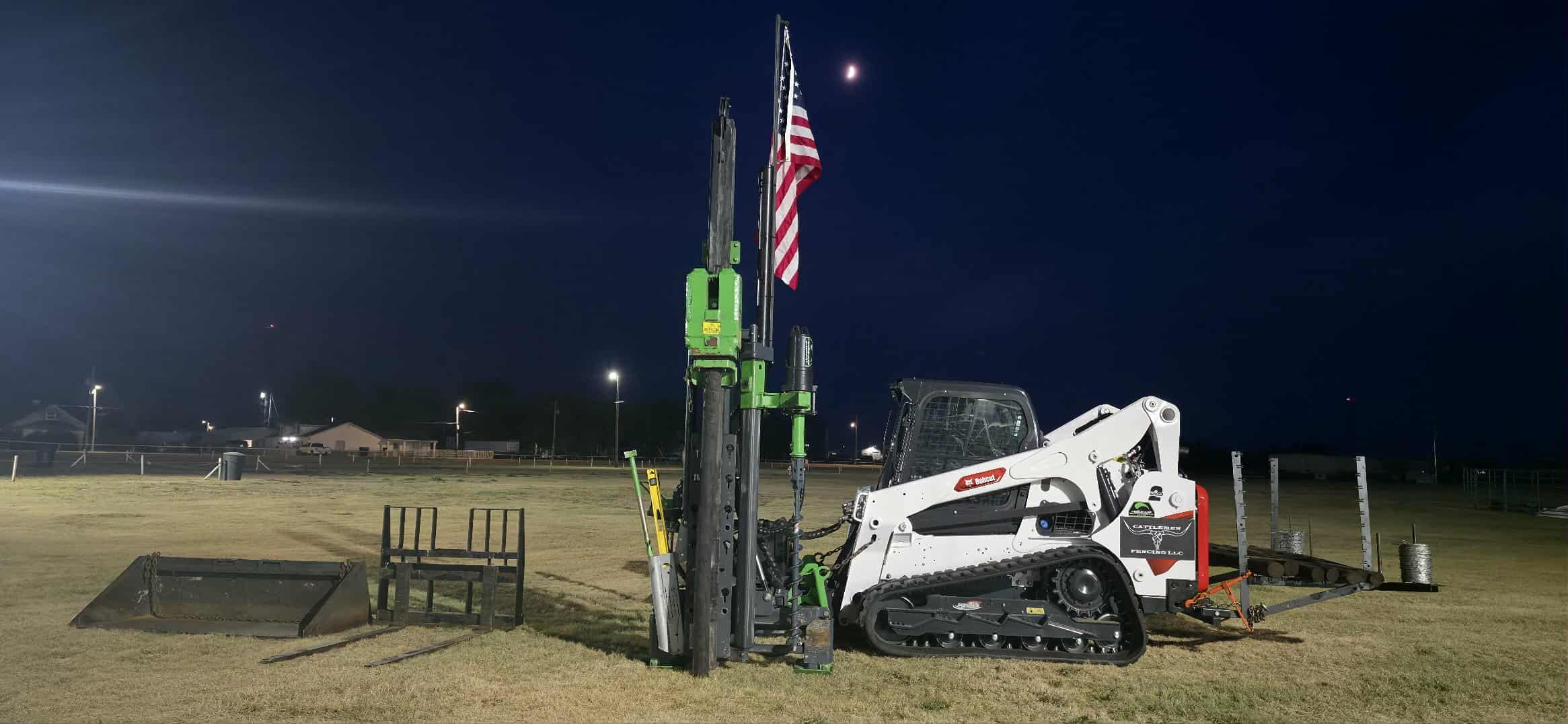
Post Installation in Demanding Ground Conditions
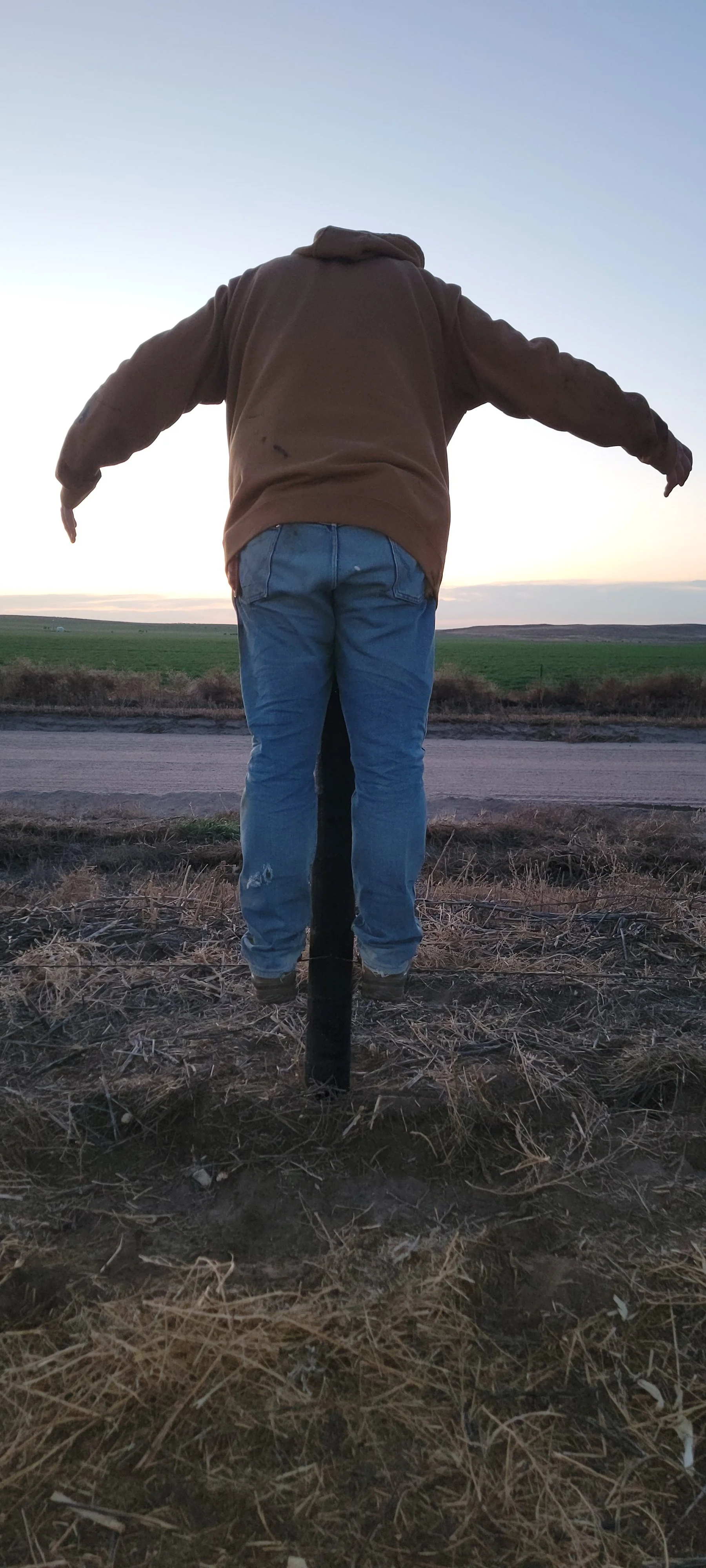
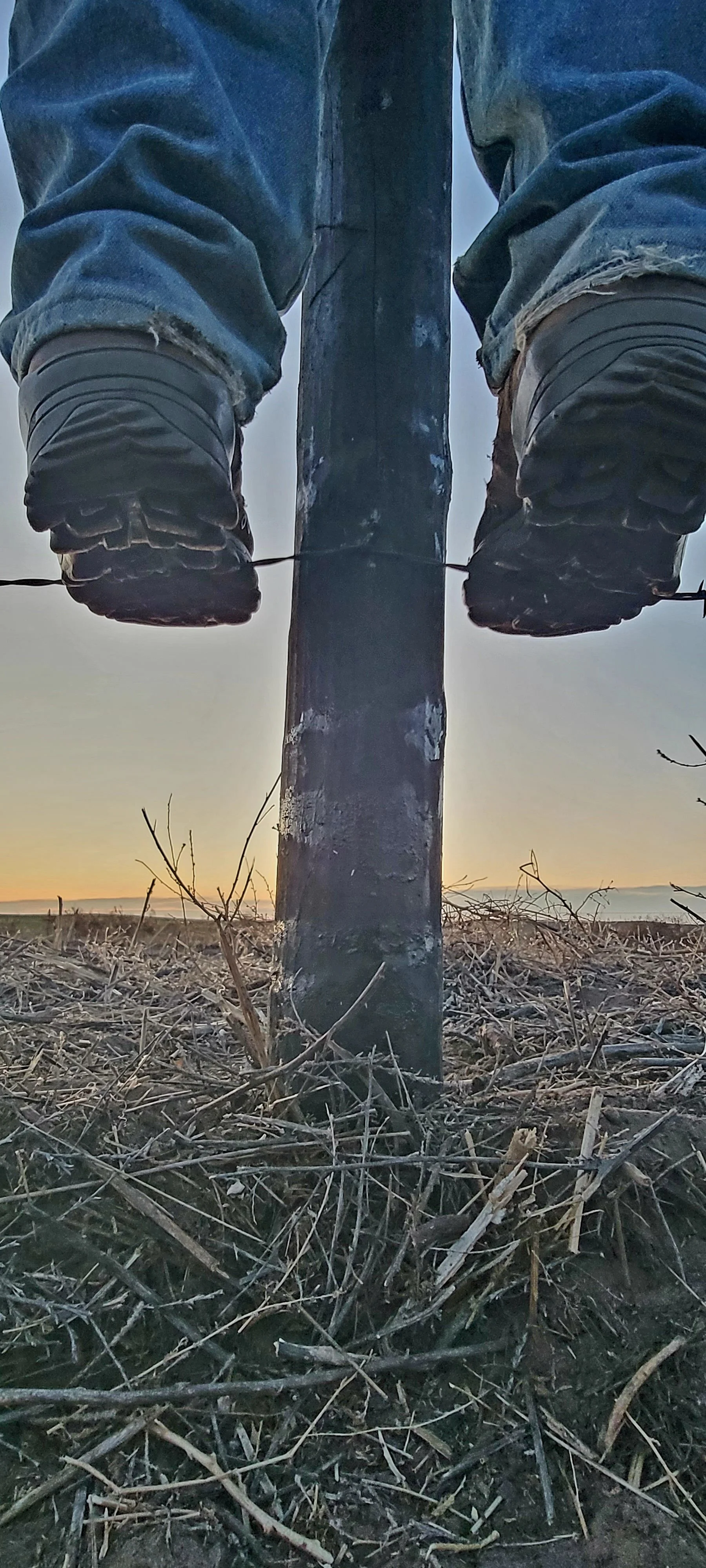
Post installation is where most fencing problems begin. Shallow embedment, inconsistent depth, and working around hard ground all lead to movement over time—especially in high-use areas. When posts aren’t set to match ground conditions, the rest of the fence is forced to compensate, accelerating wear and ultimately leading to structural failure.
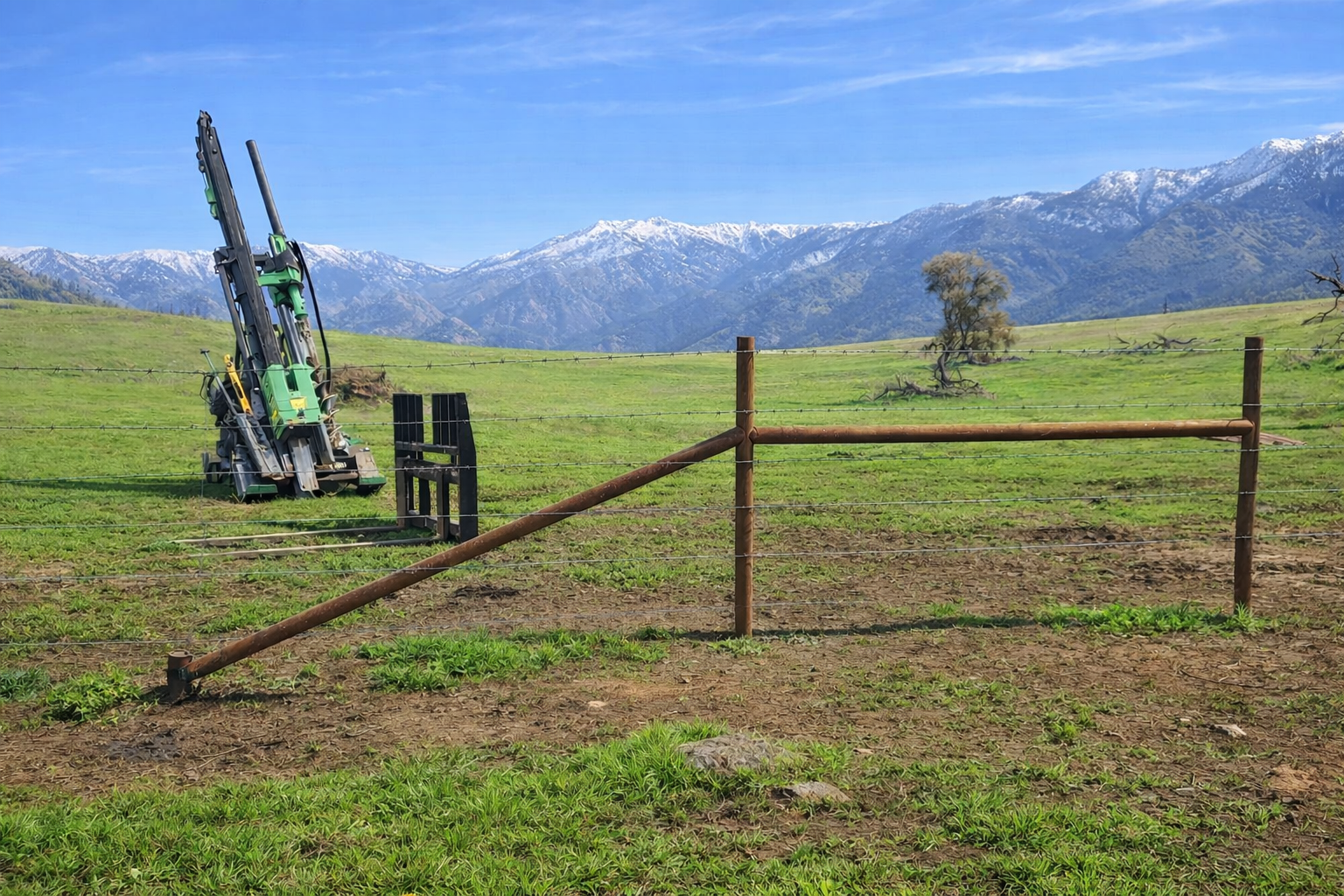
Using the right tool for the right job is the difference between a fence that starts moving in a few years and one that holds its shape for decades. Controlling post depth and placement from the start is what separates short-term builds from long-term infrastructure.
Examples of the post installation methods we use to maintain proper depth and alignment across varying ground conditions.
Line Control and Structural Accuracy
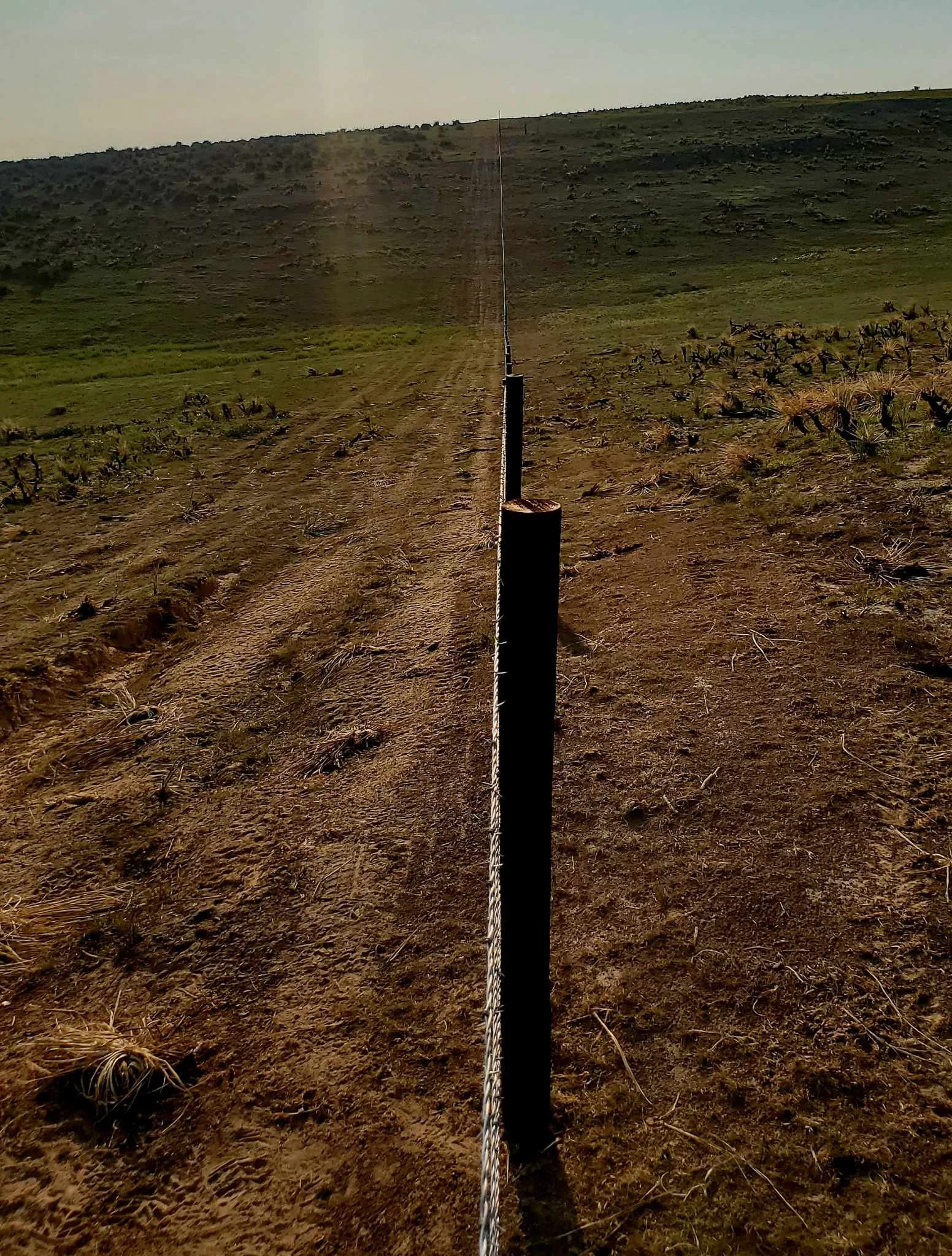
Straight, consistent fence lines don’t happen by accident. Accuracy begins with layout and is carried through every stage of construction. Small deviations in alignment, spacing, or elevation compound over distance, resulting in fence that wanders, binds, or demands ongoing correction.
Cattlemen Fencing maintains layout control from the first post to the last. Fence lines are established using consistent reference points and held through terrain changes, long runs, and transitions. This approach keeps posts plumb, spacing uniform, and lines true—whether the work is a tight facility build or an extended perimeter fence.
When alignment and layout are controlled, fence performs the way it should. Gates hang correctly, panels fit as intended, and wire systems maintain uniform tension. The result is fence that looks right, functions properly, and avoids problems later that could have been prevented during the build.
Tensioned Systems and Load Management
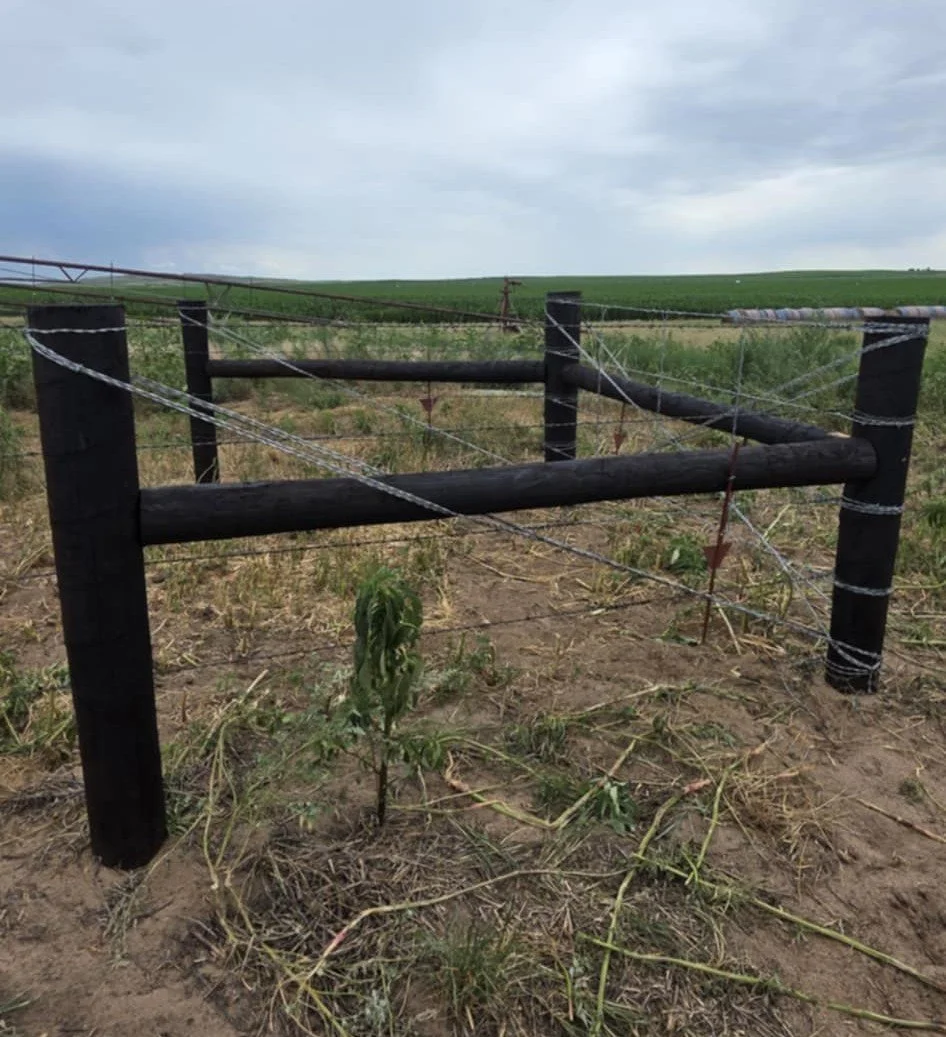
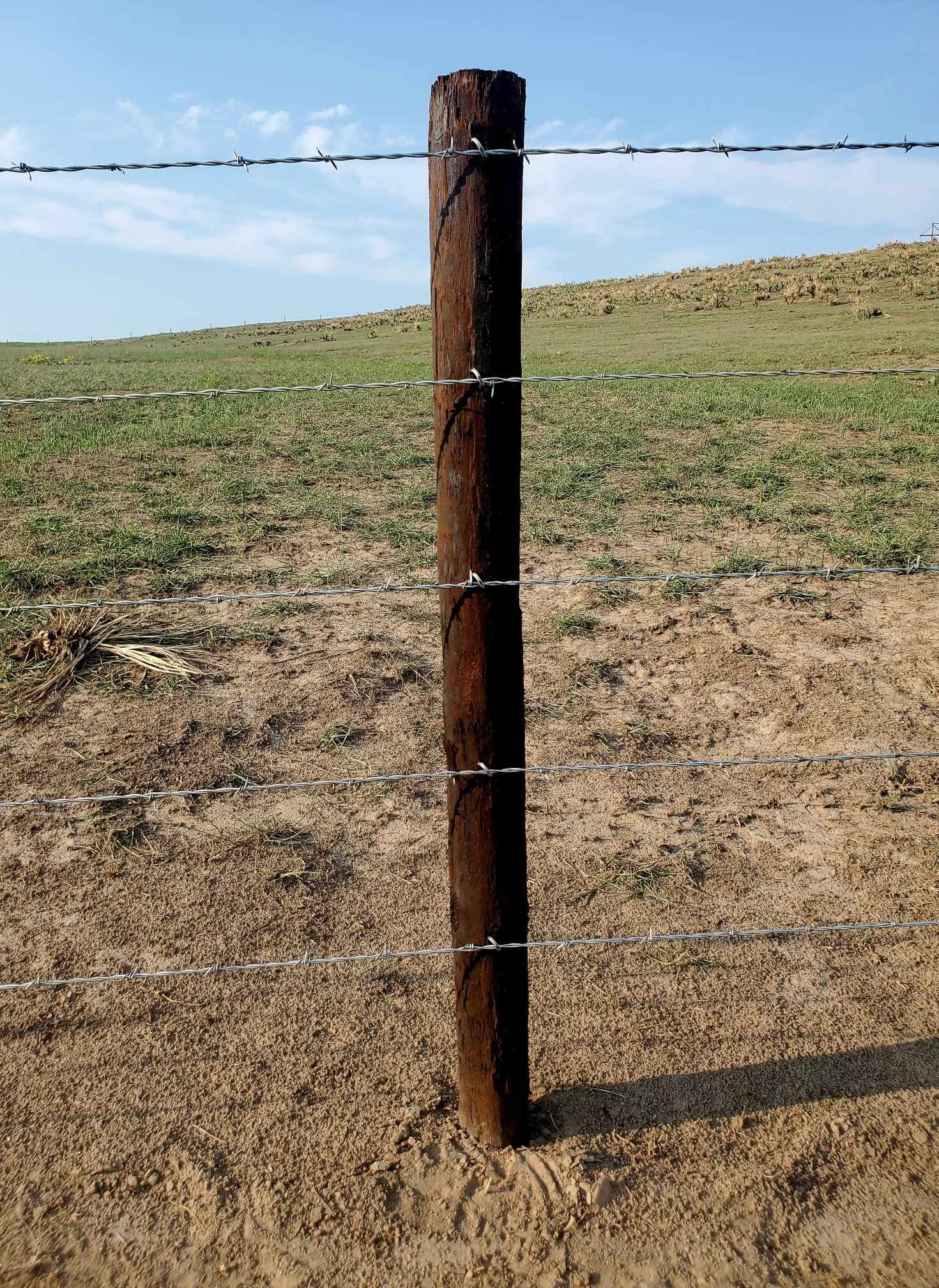
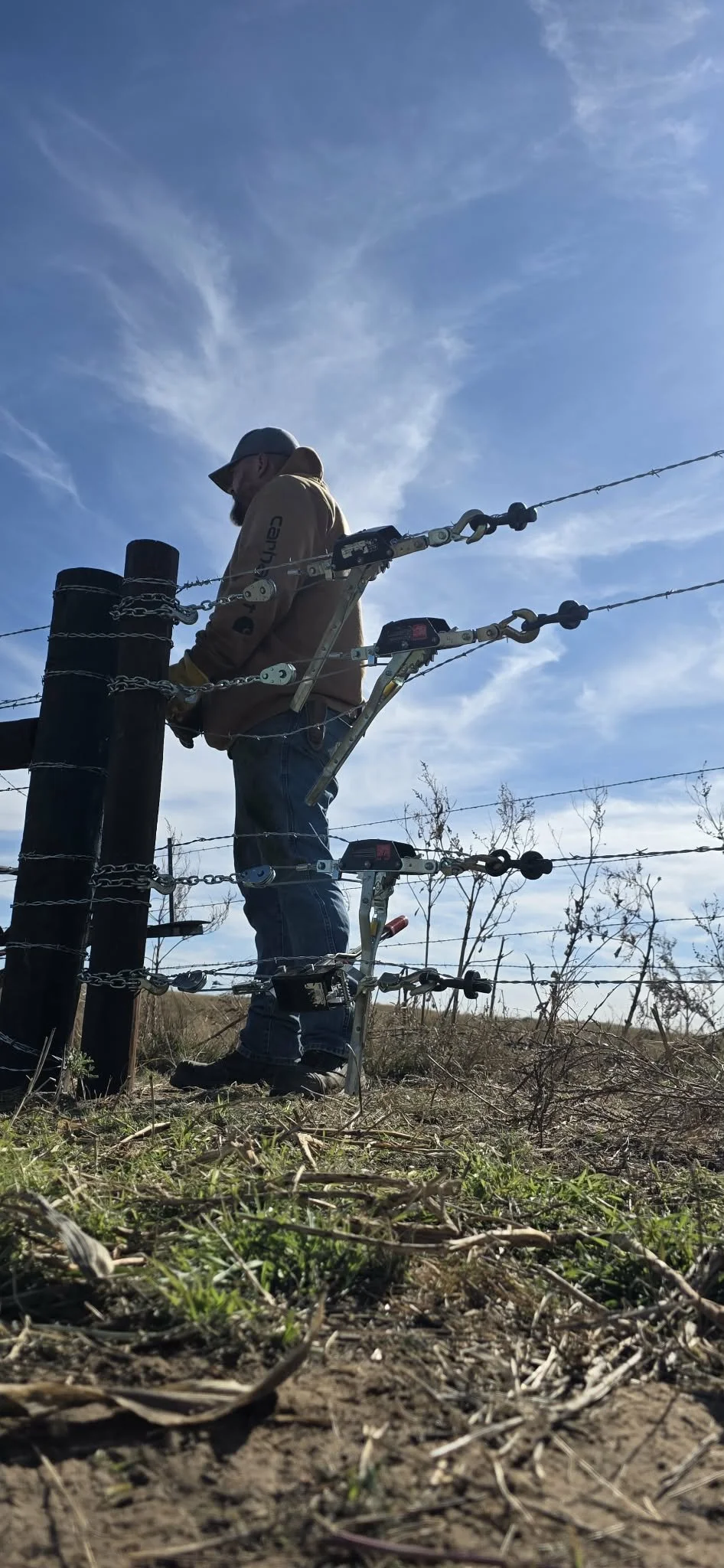
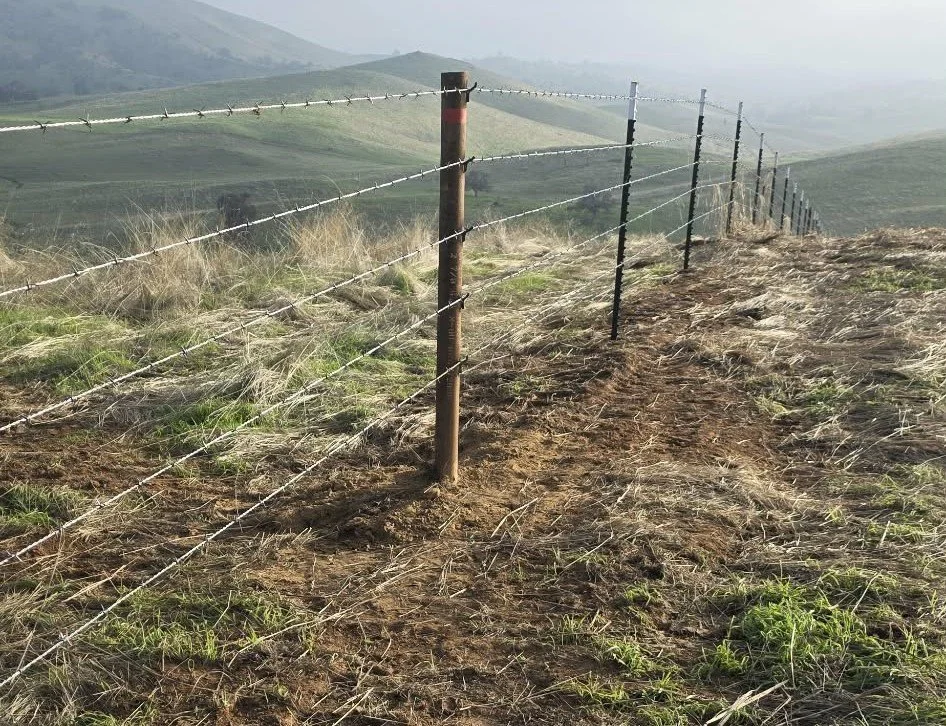
Tensioned fence systems rely on anchoring load through proper end structures and maintaining consistent tension across all wires from top to bottom. When those elements work together, the system carries force evenly instead of concentrating stress where failure is most likely to occur.
Cattlemen Fencing treats tensioned systems as engineered assemblies rather than isolated components. Whether wire is used independently or integrated with posts, panels, or structural elements, tension is set appropriately for the application and carried through anchoring and termination points designed to handle sustained load.
When these systems are built correctly, they remain stable through seasonal changes, livestock pressure, and daily use. Tension holds where it should, movement is predictable, and maintenance remains controlled rather than constant. This allows tensioned fencing to function as intended—supporting the operation without becoming a recurring problem.
Welding and Fabrication
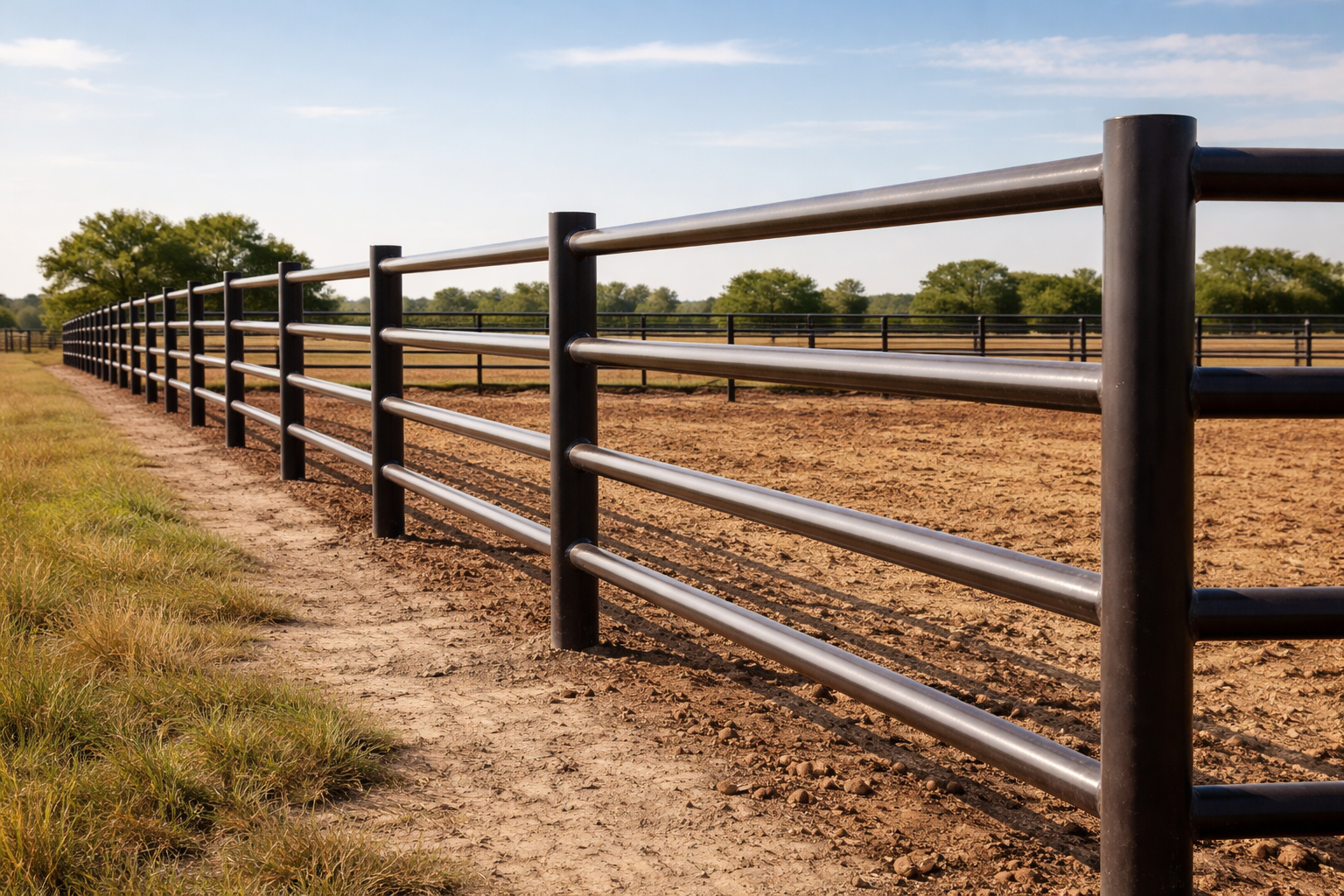
Fence systems often rely on welded components to provide rigidity, longevity, and precise fit—particularly in facilities, high-use areas, and structural transitions. When welding is done poorly, failures are permanent and costly. When it’s done correctly, the system gains strength, consistency, and long-term reliability.
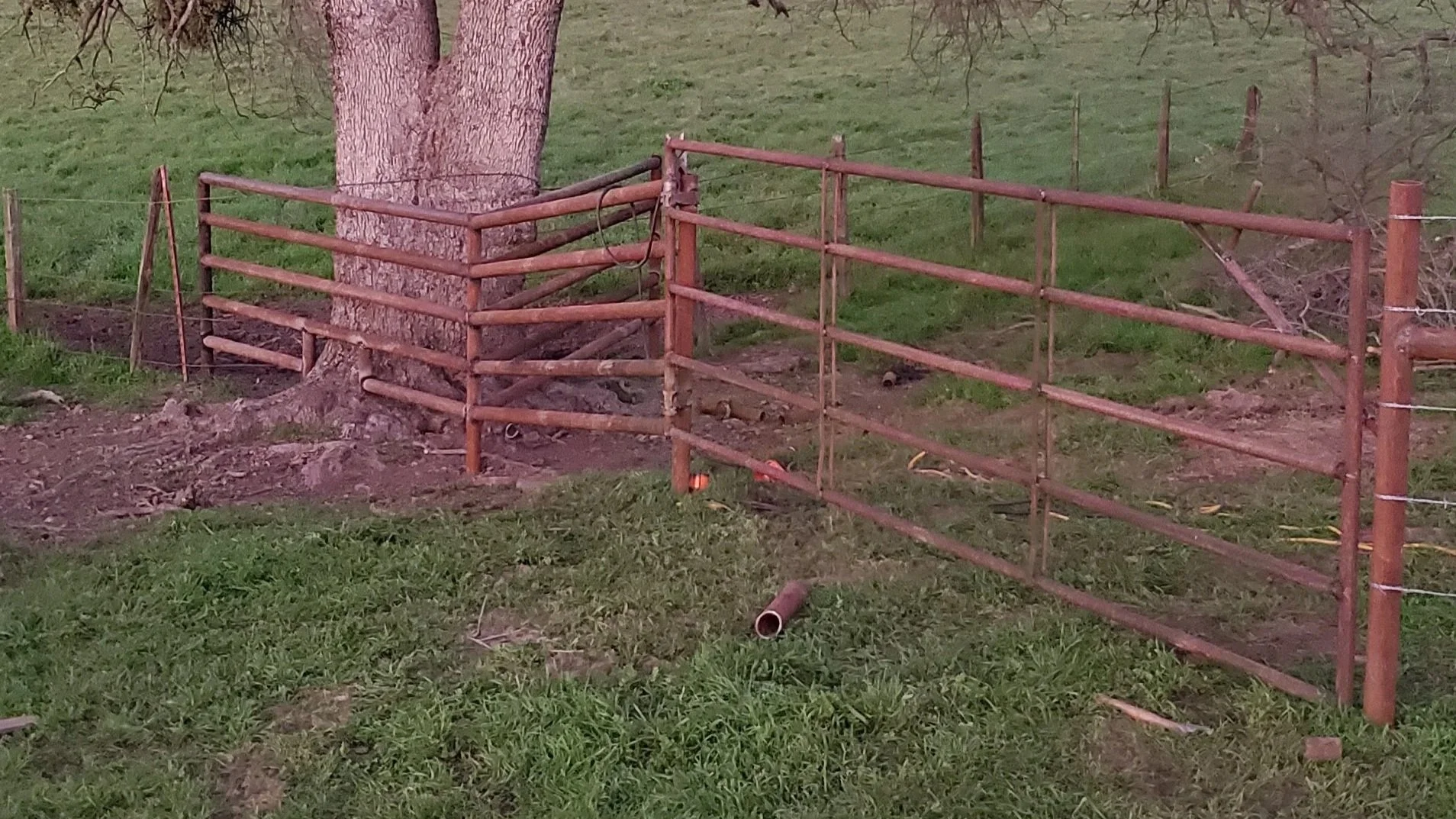
Cattlemen Fencing performs welding and fabrication in the field, integrating structural components directly into the fence system as it’s built. From solid rail pipe fence and custom gate work to bracing and transitions, welded elements are constructed on site to match real-world conditions, alignment, and load requirements.
Field welding is approached with the same control and intent as the rest of the build. Fit-up, penetration, and alignment are prioritized so welded components function as part of a complete system—not as add-ons or afterthoughts. The result is fencing that remains rigid, functional, and dependable over time, even in demanding applications.
Material Selection and Application Control
Fence performance is determined as much by material choice as it is by construction. Different areas of an operation impose different demands, and materials that perform well in one application can become failure points in another when they’re misapplied.
Cattlemen Fencing selects materials based on how and where the fence will be used—not on convenience or habit. Contact frequency, livestock pressure, terrain, and tolerance for movement all factor into whether a system should remain flexible, rigid, or somewhere in between. Overbuilding adds unnecessary cost and rigidity where it isn’t needed. Underbuilding creates movement, maintenance, and early failure where structure matters.
Materials are applied deliberately to support the role each section of fence plays within the operation. High-use areas, transitions, and structural points are built to resist deflection and wear, while larger runs and lower-contact zones are designed to maintain function without excess complexity. This balance keeps systems efficient, durable, and aligned with how the operation actually works.
When materials are chosen and applied with intent, fence behaves predictably over time. Loads are carried where they should be, movement is controlled, and maintenance remains manageable. The result is a fence system that performs as part of the operation—not one that has to be worked around.
Integration With Existing Infrastructure
Most livestock operations are built in layers over time. New fence rarely starts on a clean slate—it ties into older systems, mixed materials, legacy layouts, and sections that have seen years of use. Integrating new work into those conditions requires judgment, not shortcuts.
Cattlemen Fencing evaluates existing fence, posts, and structural elements before tying new systems into place. Transitions are designed to manage load, alignment, and movement so new construction doesn’t inherit weaknesses or create stress points at connection zones. When existing components can be reinforced and stabilized, they are incorporated deliberately. When they can’t, replacement is addressed before it becomes a hidden failure.
Integration work is approached with the same control as new construction. Alignment is carried through transitions, loads are transferred intentionally, and materials are selected to prevent differential movement between old and new sections. This prevents gradual distortion, loosening, or premature failure that often shows up where systems meet.
Handled correctly, integration extends the life of both new and existing fence. Instead of creating patchwork solutions, the operation gains a cohesive system that functions as a whole—supporting current needs while preserving options for future changes.